QR code scams are turning one of the most trusted tools in digital life into a silent attack vector, and most users have no idea it is happening.
They were once hailed as the bridge between the physical and digital worlds. Today, they are everywhere: restaurant menus, payment platforms, event tickets, and public transport. But in 2025, this convenience is being weaponised. Cybercriminals now exploit QR codes as stealthy, frictionless delivery systems for malware, phishing, and identity theft.
In a landscape already saturated with social engineering, malicious QR, also known as “quishing”, has become the fastest-growing phishing vector globally, with enterprise-targeted attacks increasing by over 130% in the past year.
The Anatomy of an Attack
Stage One: Plausible Placement
Cybercriminals place malicious code in:
- Printed flyers, posters, and stickers placed over legitimate ones
- Emails disguised as secure login prompts or package delivery notices
- Fake customer support or event ticketing web pages
Stage Two: The Redirect
Once scanned, victims are taken to:
- Fake login pages mimicking Microsoft 365, PayPal, or banking portals
- Malicious app downloads hosted on rogue domains
- Credential harvesting sites requesting multi-factor authentication (MFA) tokens
Stage Three: The Exploit
Depending on the target:
- Personal users may install spyware or hand over banking credentials
- Business users risk MFA token theft, allowing attackers into enterprise systems
- Mobile devices may grant camera, SMS, or location permissions to malicious apps
Real-World QR Code Scams in Action
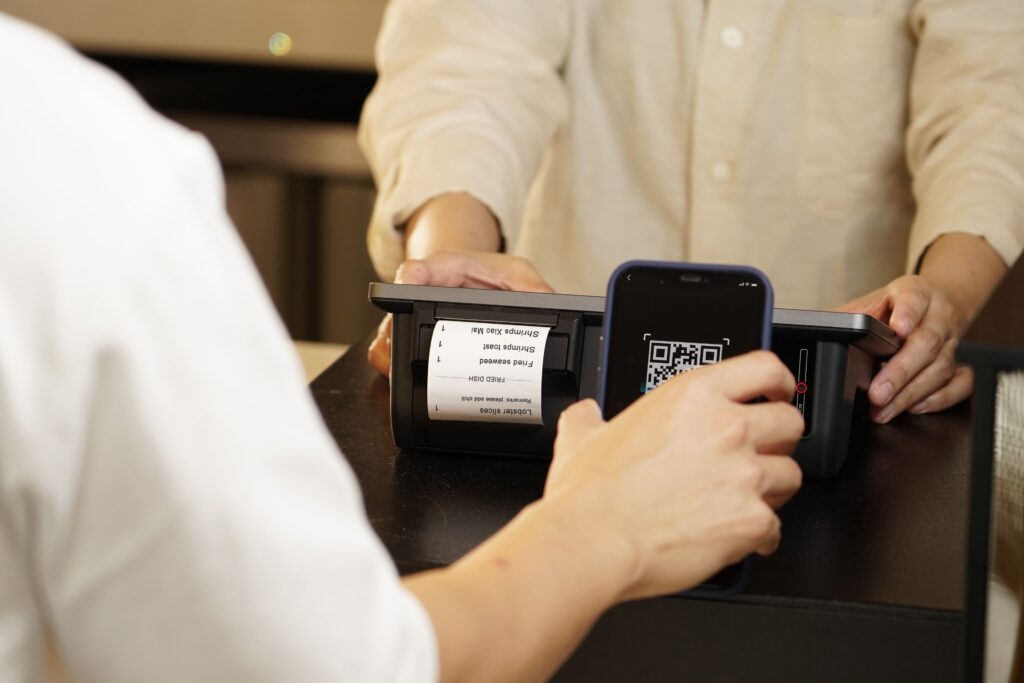
The Restaurant Swindle: A US-based chain discovered altered QR stickers on tables. Customers who scanned them paid through a fake portal while attackers harvested card details and transaction metadata.
Corporate Credential Theft: In a spear-phishing campaign, employees received “urgent action” QR via email, directing them to a cloned Microsoft login page. With MFA in play, attackers used real-time proxies to capture both password and token.
Conference Traps: At a European tech expo, printed schedules and giveaway posters featured embedded QR codes leading to fake app download pages. Those who installed the app unknowingly granted remote access permissions.
Why QR Code Scams Are So Effective
Psychological shortcuts: Scanning a QR code feels safe. It bypasses the usual scrutiny users apply to URLs or email links.
Device blind spots: Unlike computers, smartphones do not preview URLs clearly after scanning. Users often proceed without verifying the domain.
Bypassing email filters: Traditional phishing filters detect malicious links in emails. A QR image bypasses those defences entirely.
Credential replay via mobile MFA: Once credentials and tokens are captured, attackers can authenticate into corporate systems in real time.
How to Spot QR Code Scams at a Glance
| Safe | Malicious |
|---|---|
| Found on trusted, unaltered surfaces | Placed on stickers or overlays |
| Direct to known domains (e.g., paypal.com) | Obscure or misspelt URLs |
| Don’t ask for credentials or permissions | Prompt for logins, MFA, or app installs |
| Verified via digital signage or vendor | Unverified in email, print, or flyers |
How to Protect Yourself and Your Organisation from QR Code Scams
Preview URLs before opening. Use modern QR scanner apps or phone settings that display the URL before visiting. If the domain looks suspicious or unfamiliar, do not proceed.
Avoid logging in via QR links. If a QR code leads to a login page, open your browser directly and log in from a trusted source instead.
Secure your physical spaces. If you run a business, audit and verify all printed QR codes. Use tamper-proof stickers or embed codes in digital displays only.
Train employees. Cyber awareness programmes should now include mobile-first phishing vectors. Employees should learn how QR code scams work and what red flags to spot before they become the weakest link.
Implement endpoint protection. Use mobile threat defence (MTD) solutions that can block malicious redirects and unauthorised app installations initiated through QR codes.
The Bigger Picture: QR Code Scams as a Systemic Risk
As QR codes become part of daily digital interaction, the threat surface expands. Cybercriminals are not just stealing passwords; they are hijacking trust in ubiquitous systems. Just as email requires spam filters and web browsing needs HTTPS, QR code usage now demands new layers of vigilance.
Trust but verify is no longer optional when every square grid could open a door into your digital life.
QR code scams offer a critical lesson: convenience and security are rarely natural allies. In an age where phishing has become visually sophisticated and malware is increasingly no-click, scanning an unknown QR code is no different from opening an unsolicited attachment or clicking a suspicious link.
Organisations should limit the use of QR codes to verified, secure environments, such as within closed mobile apps or digitally signed documents. Public or printed QR codes, especially in uncontrolled locations, should be treated with extreme caution.
When in doubt, don’t scan.
If a URL can be typed, searched, or bookmarked, it is always the safer option.
Recommendation: Avoid using QR codes unless necessary. Prioritise clear links, trusted domains, and transparent channels over scannable convenience.
Further Reading
- QR Code Phishing Trends – Proofpoint
- How Quishing Works – CISA Advisory
- Mobile Threat Defence Guide – Lookout
- Preventing QR Attacks – Cybersecurity & Infrastructure Security Agency
Cloud Technology Hub: Protecting Nigerian Businesses in the Age of Sophisticated Cyber Threats. → technohub.cloud