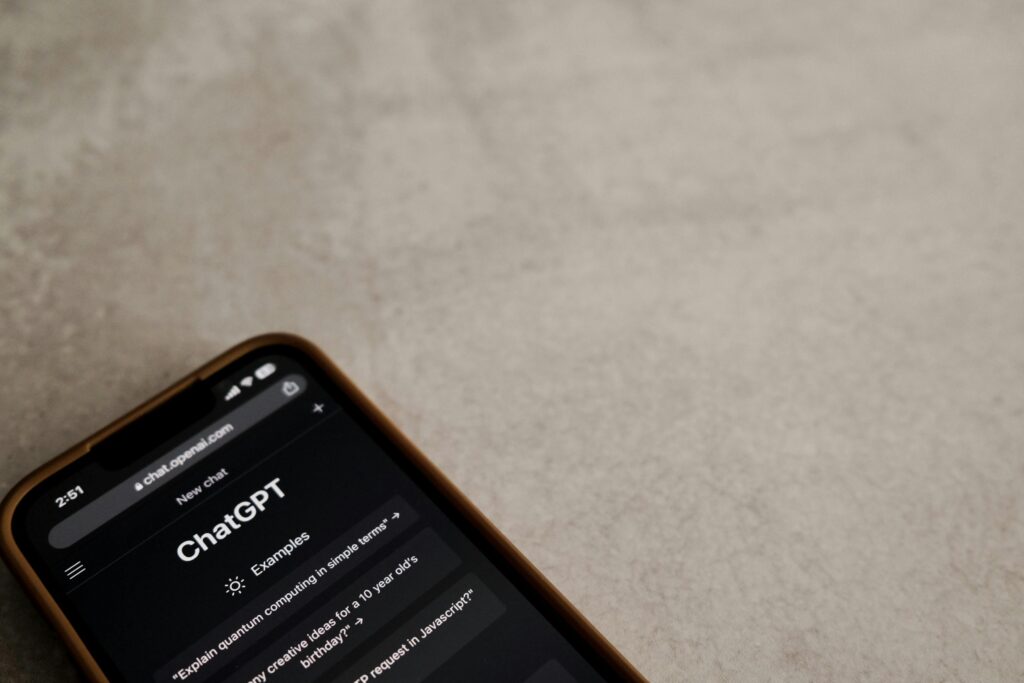
On the morning of June 10, 2025, something extraordinary happened not in what was said, but in what wasn’t.
Millions of users worldwide opened ChatGPT expecting quick answers, thoughtful ideas, or even a bit of digital companionship. Instead, they were met with blank screens, error messages, and a blinking cursor that went nowhere. For over eight hours, OpenAI’s flagship AI sputtered, crashed, and stalled, leaving more than 500 million people worldwide without their digital co-pilot.
This wasn’t just a tech hiccup. It was a rare moment of global cognitive disconnection and a striking reminder of how deeply we’ve woven artificial intelligence into our daily routines.
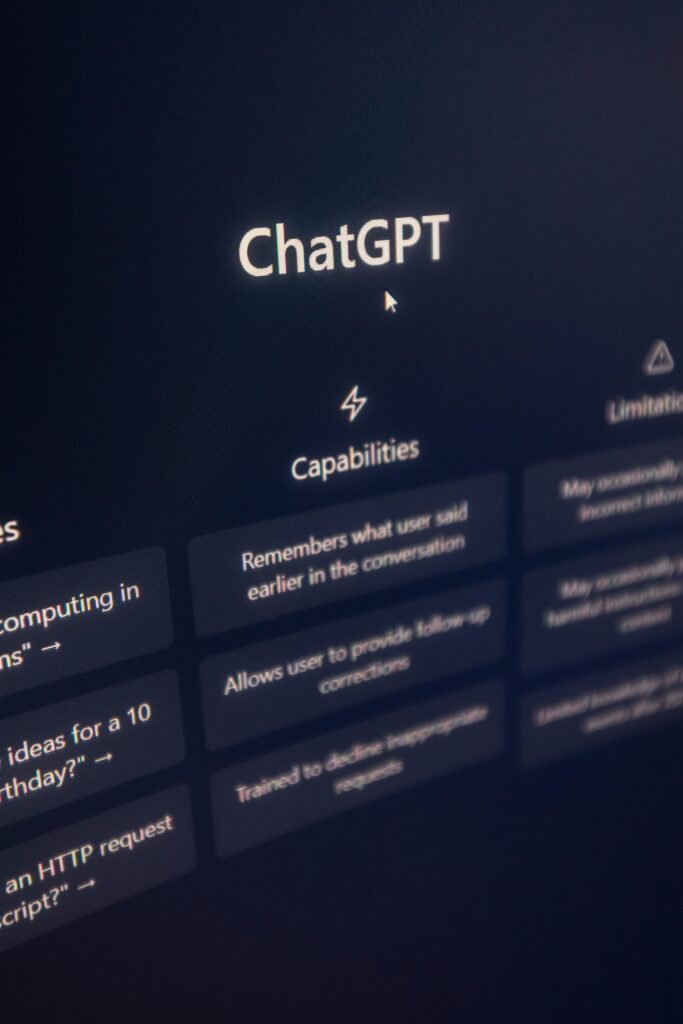
Life on Pause: The Human Cost of Silence
Productivity in Freefall
From university students to software engineers to content creators, workflows crumbled. In India alone, 88% of 800+ user complaints cited total unresponsiveness. One user summed it up perfectly: “It felt like losing a collaborator.”
Emotional Fallout
Social media has become a sort of therapy couch. Memes of users solemnly staring at loading screens went viral. Behind the humour was real frustration and a strange emptiness. Many had come to rely on ChatGPT not just for work, but as a sounding board, a creative partner, even a virtual friend.
Business Disruption
It wasn’t just individuals who suffered. Companies that embedded OpenAI’s API into operations from customer service to analytics hit immediate roadblocks. Paid users, Plus subscribers, and Enterprise clients were all affected equally. A reminder that in today’s economy, an AI outage is more than an inconvenience; it’s a liability.
What Broke? A Deep Dive Into the Technical Collapse
OpenAI’s status dashboard was grim. 21 ChatGPT components, 14 API endpoints, and 4 Sora video-generation modules buckled in tandem. This was no isolated bug; it was a system-wide failure.
- Rolling outages began in North America around 2:45 AM ET, swept through Europe and the UK, and reached Asia by mid-afternoon.
- The platform returned errors like:
- “Too many concurrent requests”
- “Error in message stream”
- “Network error occurred”
Even Sora, OpenAI’s experimental video tool, faltered, signalling infrastructure stress far deeper than front-end traffic overload.
Why This Outage Hit Harder Than Ever
This wasn’t the first ChatGPT glitch of 2025, but it was the most visceral.
Unprecedented Reach
Over 1,350 user reports flooded Downdetector within hours, surpassing April’s infamous Ghibli-image crash. With ChatGPT now reaching 400 million weekly users, the global dependency is undeniable.
OpenAI’s Silence
Beyond vague “investigations,” OpenAI offered no real-time transparency. No timeline. No explanation. The vacuum only invited rumours: Was it a cyberattack? A capacity breakdown? An AI gone rogue?
Competitors Seize the Moment
Grok claimed “superior uptime.” DeepSeek’s traffic soared by 300%. Merlin, a multi-LLM platform, saw record installs. The outage became a litmus test for the resilience and opportunity of the broader AI ecosystem.
The Bigger Picture: A Fragile Digital Nervous System
What June 10 ultimately revealed was not just a failure of code, but a failure of design thinking. We’ve created a society where our cognitive processes, research, ideation, writing, and even emotional support are increasingly outsourced to machines. And yet:
- Infrastructure lags behind demand. OpenAI’s CEO, Sam Altman, had warned that the servers were “overheating.”
- There’s no real redundancy. Labelling it a “partial outage” doesn’t help when global users experience a near-total blackout.
- Fallback options remain clunky. Alternatives exist, but enterprise switching is hard, like swapping engines mid-flight.
Where Do We Go From Here? Rethinking Resilience in AI
The June 10 incident should be a wake-up call, not a one-off joke.
Should AI be treated like critical infrastructure, power, water, and the internet?
Uptime guarantees and regulatory frameworks may be the next frontier.
Time to embrace decentralisation?
Federated AI models combining local tools with cloud backups could reduce single points of failure.
Develop user-level resilience:
- Draft offline, polish with AI
- Explore and test alternatives regularly (e.g., DeepSeek, Merlin)
- Push for transparency, users deserve post-mortems and SLAs
“We’ve outsourced cognition to algorithms. On June 10, it felt like a global brain freeze.”
Final Thoughts: We Saw Ourselves in the Silence
What made this outage unforgettable wasn’t just the silence but our reaction to it.
Some panicked. Some adapted. Some found humour. Others discovered new tools. But all of us saw, even if briefly, how tightly we’ve entangled ourselves with machines. ChatGPT didn’t just go dark; it pulled back a curtain.
We saw how quickly human ingenuity turns to dependency. And we saw that when AI fails, it’s not just machines that go offline. It’s a part of us.
As we continue the march toward AGI, the question isn’t just “What can AI do?” but also “What happens when it can’t?”
How did June 10 affect you? Did you switch tools, or just wait it out? Drop your thoughts in the comments.
Read More Here