
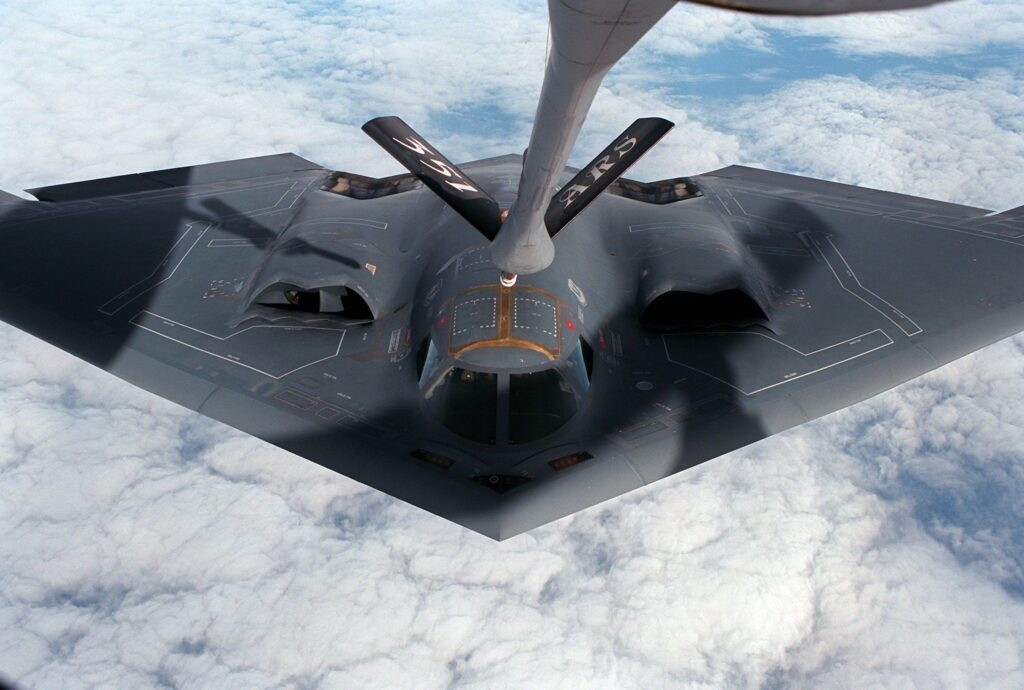
Few phrases capture the imagination like stealth technology. It conjures black, angular aircraft slipping past the world’s finest radar, unseen until the moment they strike. In 2026, that image is more real than ever, as a new generation of stealth aircraft takes to the skies. But here is the twist most business leaders miss: the same principle that hides a bomber is now hiding the attacker inside your network.
Stealth has gone digital. Understanding how it works, in the air and online, is no longer just fascinating. For any organisation in Nigeria or beyond, it is fast becoming a matter of survival.
What stealth technology really means
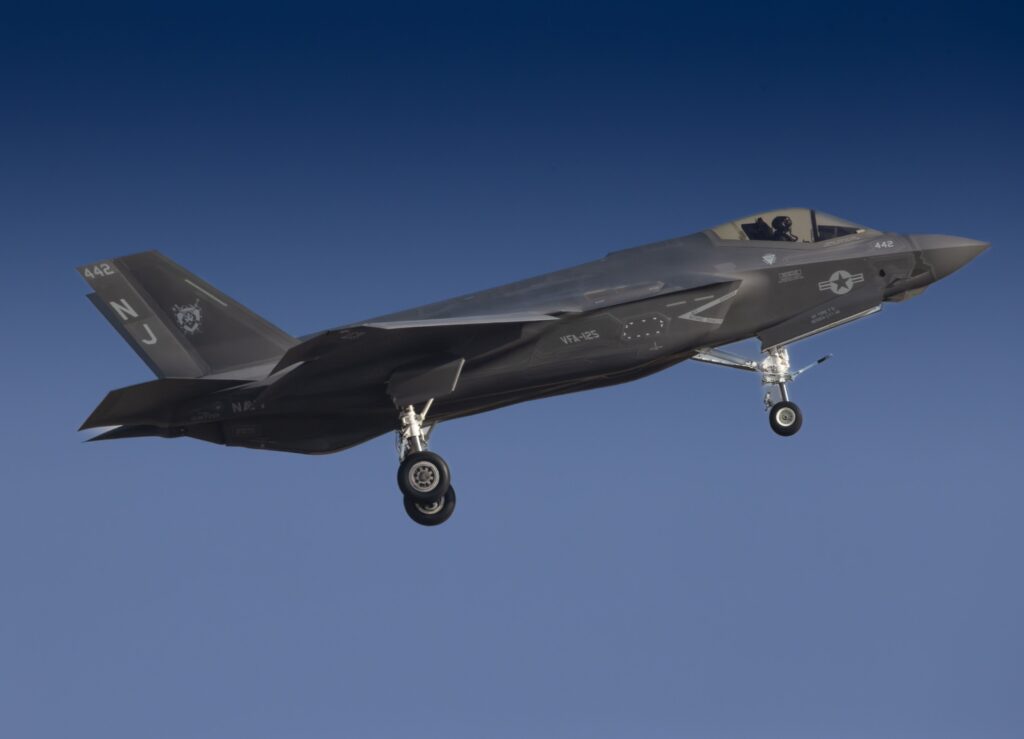
Stealth technology is often imagined as a cloak of invisibility. It is not. Stealth is the science of shrinking your signature: the radar, heat, and electronic traces that give you away, until detection systems cannot lock onto you in time to respond.
It works in three broad ways. Shape deflects radar energy away from its source, so the signal never bounces back. Special radar-absorbent coatings soak up much of what remains. And antennas, weapons, and engines are buried inside the airframe to keep the surface clean. The aim is not to vanish. It is to be detected so late and so faintly that the warning arrives too late to matter.
That single idea, winning by avoiding detection, is the thread that connects a billion-dollar bomber to the malware sitting quietly on a company server.
The new stealth arms race
Stealth technology is in the middle of its biggest leap in decades. The United States Air Force’s B-21 Raider, built by Northrop Grumman, is billed as the world’s first sixth-generation aircraft. A second test aircraft is now flying, more than 5 billion dollars has been invested, and the programme is reported to be largely on schedule, with a far lower maintenance burden than the bomber it replaces.
Its stealth technology is more refined than anything before it: smoother skin, deeply recessed intakes, and a tougher, lower-maintenance coating. In 2025, the United States also selected the Boeing F-47 as its next-generation fighter.
China is racing alongside, having flown tailless sixth-generation prototypes known as the J-36 and J-50, both shaped to cut their radar signature by removing the vertical tails that reflect radar. Meanwhile, defenders are building counter-stealth radars designed to spot what was meant to stay hidden. The contest is no longer about raw speed. It is about who can stay invisible the longest.
Stealth has gone digital
Apply that same stealth technology mindset to cybersecurity, and you understand the most dangerous threats facing businesses today.
The defining feature of a modern cyberattack is no longer a loud, obvious virus. It is silent. According to the Picus Red Report 2026, eight of the ten most common attacker techniques are now built for evasion, persistence, or hidden remote control: the heaviest concentration of stealth tactics the researchers have ever recorded.
Attackers increasingly skip malware altogether. They live off the land, using the legitimate tools, software, and stolen passwords already inside your systems, so their activity looks exactly like normal IT work. Security firm ThreatDown sums up the modern intrusion in two words: speed and stealth. The intruder blends in, moves quietly, and is often gone with your data before anyone notices.
In other words, the attacker has applied stealth technology to your network. And as with a stealth aircraft, the absence of an alarm is not proof that nothing is there.
Why stealthy threats hit Nigerian and African businesses hardest
This is not a distant problem. Nigeria is now the most attacked country in Africa. Check Point Research found that Nigerian organisations faced an average of 4,701 cyberattacks each week in January 2026, a 12 per cent rise year on year and more than double the global average of around 2,090.
The cause is the very growth that is powering the economy: rapid expansion in fintech, banking, telecoms, cloud, and government services. Every new system widens the attack surface, and security spending often lags behind. Researchers now describe identity as the new security perimeter, because stolen credentials, not broken locks, have become the favoured way in.
The most targeted sectors across Africa are government, financial services, and consumer goods: precisely the organisations holding the most sensitive data. For a stealthy attacker, that is the perfect hunting ground.
How to see the invisible
You cannot defend against what you cannot see, so modern security is built around visibility. A few priorities matter most:
- Move from signature-based tools to behaviour-based detection. Modern EDR and XDR platforms watch how systems behave, not just what files look like, so they can flag a trusted tool being used in an untrusted way.
- Treat identity as the front line. Enforce strong multi-factor authentication and a zero-trust approach that verifies every user and device, every time.
- Hunt, do not just wait. Continuous monitoring and active threat hunting shorten the window in which an intruder can hide.
- Close the blind spots. Unmanaged devices, shadow IT, and unsupported systems are where stealthy attacks stage. Bring them under management or retire them.
- Govern your AI tools. Generative AI inside the business is now a documented source of data leaks, so set clear rules for how staff use it.
The aim is simple: shrink the attacker’s stealth advantage and cut the time between intrusion and detection.
The bottom line
Stealth technology teaches one hard lesson: the most dangerous threat is the one you never detect. In the air, that is a sixth-generation bomber. In business, it is an intruder who has lived inside your systems for weeks, looking just like one of your own staff. The organisations that thrive in 2026 will be the ones that win back visibility before the damage is done.
Make your business harder to hide in. Cloud Technology Hub helps organisations across Nigeria and the UK detect and shut down stealthy threats, with cybersecurity, monitoring, and zero-trust solutions built for fast-growing businesses.
Talk to our team about strengthening your defences.
Email info@technohub.cloud
Read More Here
Author: Maryam Musa