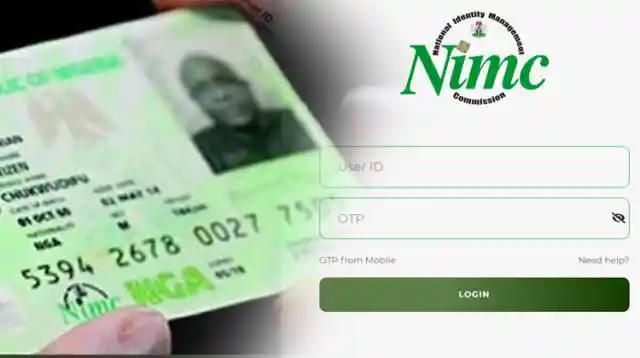

Digital identity in Nigeria just took a major leap forward. In mid-2026, President Bola Ahmed Tinubu signed the NIMC Act 2026 into law, replacing 19-year-old legislation. It makes the National Identification Number (NIN) Nigeria’s single, legal form of ID. That covers banking, tax, healthcare, voting, pensions, and business registration. It’s a big shift. And it raises a simple question: how do systems actually confirm that a login is really you?
NIMC now also serves as Root Certification Authority for Nigeria’s national digital infrastructure. In plain terms, NIMC sits at the centre of every digital signature and verified transaction in the country. Meanwhile, enrollment is racing to catch up. NIN registrations passed 136 million in July 2026, up from 123.9 million just nine months earlier. NIMC is working toward a World Bank-backed target of 180 million NINs by the end of the year.
The law is in place. The numbers are climbing fast. But building real digital identity in Nigeria takes more than a national ID number. It also takes authentication: the systems that check whether a login, transaction, or data request truly comes from the right person. That’s where Basic Authentication, OAuth, and Multi-Factor Authentication (MFA) come in. How Nigeria connects these tools to NIMC will decide whether this new law changes daily life or just sits on paper.

The 5 Big Changes at a Glance Under the NIMC Act 2026
The NIMC Act 2026 does more than update old rules. Here’s what’s different, in short:
- NIN becomes Nigeria’s sole legal ID – recognised across banking, tax, healthcare, voting, pensions, and business registration.
- NIMC becomes Root Certification Authority – the anchor for every digital signature and verified transaction in the country.
- NINAuth goes from pilot to mandate – MDAs are now directed to use it for SIM registration, passports, tax filing, and license renewals.
- Enrollment targets jump to 180 million – up from 136 million NINs today, under a World Bank-backed push tied to the NIMC Act 2026.
- Penalties for identity fraud get much tougher – impersonation and multiple registration now carry a minimum 5-year sentence.
The rest of this guide breaks down what these changes mean for authentication, and how OAuth, MFA, and NINAuth fit into the picture.
Why Authentication Matters Under the NIMC Act 2026
NIN gives Nigeria a strong root of trust. However, a number alone doesn’t help much. A health portal, a bank, and a university still need a fast, safe way to check that number. Otherwise, each platform asks citizens to verify from scratch, again and again. This is exactly the job of authentication protocols, and it’s why they sit at the center of digital identity in Nigeria today.
Basic Authentication: Common, But Risky
Basic Authentication is simple. It’s just a username and a password. Many of Nigeria’s older public and private systems still use it. It’s cheap and easy to set up. That’s why it has stuck around in government portals, school systems, and smaller platforms. But it carries real risk. It offers little protection against credential theft, brute-force attacks, or replay exploits. For systems now linked to a national identity layer, that risk is too high.
OAuth: Access Without Sharing Passwords
OAuth solves a specific problem: how to grant access without handing over a password. A citizen logs into one trusted platform. That platform then grants a second service limited access through a token. The second service never sees the actual password. As a result, Nigeria can connect NIN to hundreds of health, finance, and education systems, without turning every one of them into a password vault.
Multi-Factor Authentication: A Second Lock
MFA adds a second proof of identity beyond a password. This might be a one-time PIN, a registered phone, or a biometric scan. NIMC already collects fingerprints and facial scans during NIN registration. Because of this, MFA is a natural next step. It’s not a system Nigeria has to build from zero.
Together, OAuth and MFA turn the NIN from a static number into a tool for secure, real-time authentication. This is exactly the gap the NIMC Act 2026 was written to close.
NINAuth: Already Live Under the NIMC Act 2026
This isn’t a future idea anymore. In May 2025, NIMC launched NINAuth, a suite of web, mobile, and API-based verification tools. Government agencies already use it for SIM registration, passport issuance, tax filing, and driver’s license renewal. Importantly, it requires user consent before any identity check can run, including KYC checks. NINAuth is the clearest sign yet that digital identity in Nigeria has moved from policy paper to working infrastructure.
Here’s how the model works, step by step.
1. NIMC as the root identity provider. The NIN is the anchor. NIMC issues and verifies digital credentials through the NINAuth API. External platforms check identity against this single source, instead of building their own separate database.
2. Token-based access through OAuth. Say a citizen logs into a health portal, a loan app, or a benefits platform. They grant access through a scoped token. There’s no re-uploading scanned ID cards, and no retyping personal details across five different forms.
3. A second layer through MFA. At login, the system asks for a second factor. This could be a biometric match or an OTP sent to a verified number. This step closes the gap a stolen or weak password would otherwise leave open.
4. Built-in privacy controls. Tokens can carry scope limits and expiry dates. So a lender only sees what a lender needs, and a hospital only sees what a hospital needs. This lines up with Nigeria’s data protection rules under the NDPR.
A Day in the Life of a Digitally Verified Nigerian
Here’s what this looks like in practice:
- A university student applies for NYSC using a NIN-linked login. Their academic records are verified automatically through the Ministry of Education’s system. They track their posting status in real time, with no paper transcripts required.
- A farmer applies for an agricultural subsidy through a single sign-on. It confirms land ownership and cooperative membership instantly, with no paperwork trail.
- A fintech app uses OAuth to confirm a user’s identity and job history in seconds. It approves a microloan without a branch visit or a stack of photocopies.
Pieces of this already exist today. NINAuth and the NIMC Act 2026 add the legal and technical groundwork needed to make this the norm, not the exception, across everyday digital identity in Nigeria.
How the NIMC Act 2026 Compares to Global Digital ID Systems
Nigeria isn’t starting from scratch here. Other countries offer a preview of what’s possible.
- India’s Aadhaar covers about 99% of India’s adult population. It has over 1.34 billion active holders. In one month alone in 2025, it recorded more than 2.29 billion authentication transactions. This shows that biometric national ID can work at massive scale.
- Estonia’s e-ID remains a model for depth. Citizens vote, file taxes, and manage healthcare records fully online.
- The EU’s eIDAS 2.0 framework requires all 27 member states to give citizens a Digital Identity Wallet by December 2026. This standardizes identity checks across borders.
- Kenya, Ghana, and South Africa are each modernizing their own identity systems. They blend central databases with modern authentication.
Nigeria already has 136 million NINs issued, plus a new legal mandate behind it. Given its population size, digital identity in Nigeria could become one of the most important identity efforts in Africa. That is, if authentication keeps pace with enrollment.
The Work Still Ahead to Meet NIMC Act 2026 Standards
A new law and a new API don’t retire old systems overnight. Many government and private platforms still run on Basic Authentication. Bringing them up to NIMC Act 2026 standards will take real work:
- Build secure, well-documented APIs that connect to NINAuth, instead of duplicating identity data
- Move toward federated identity models, instead of separate logins for every platform
- Roll out MFA using biometric or mobile factors citizens already know
- Audit old Basic Authentication systems for risk, before connecting them to a national identity layer, not after
This shift is organisational as much as technical. It’s about building services around one verified identity, instead of many repeated checks the real test of whether digital identity in Nigeria works for ordinary people.
How Cloud Technology Hub Can Help
At Cloud Technology Hub, we help institutions modernise their authentication systems to meet NIMC Act 2026 standards. Our work includes:
- Building OAuth gateways and token-based access systems
- Deploying MFA infrastructure using biometric and mobile methods
- Integrating with NIMC’s NINAuth API for real-time NIN verification
- Auditing legacy Basic Authentication systems and planning the transition
Talk to our team about your authentication project → info@technohub.cloud
Frequently Asked Questions
What does digital identity in Nigeria mean today? It means a NIN-based system, backed by the NIMC Act 2026, where NIMC verifies who you are and other platforms banks, hospitals, schools trust that verification through APIs like NINAuth, instead of checking your identity from scratch each time.
What is NINAuth? NINAuth is NIMC’s official identity authentication platform. It launched in May 2025. It offers web, mobile, and API-based verification of the National Identification Number for government agencies and approved private platforms.
Is Basic Authentication still safe for NIN-linked systems? No, not for anything handling sensitive citizen data. Basic Authentication offers little protection against credential theft or brute-force attacks. That makes it a poor fit for platforms connected to national identity infrastructure.
How is OAuth different from logging in with your NIN directly? OAuth lets a service verify a user through NIMC, without ever handling or storing the actual credential. It grants scoped, revocable access through a token, instead of a shared secret.
When will Nigeria get something like the EU’s Digital Identity Wallet? There’s no official date yet. However, the legal groundwork is already there. NIMC now serves as Root Certification Authority under the NIMC Act 2026. That’s the same type of infrastructure the EU’s eIDAS 2.0 wallets rely on. NINAuth is the current building block toward that kind of digital wallet.
The Future of Digital Identity in Nigeria
The NIMC Act 2026 gave digital identity in Nigeria a legal foundation. NINAuth gave it a working API. What’s left is the harder, quieter work: connecting the rest of the country’s systems to it. That means replacing Basic Authentication with OAuth and MFA, one platform at a time.
The law is here. The infrastructure is live. The next twelve months will show how many Nigerians actually feel the difference.
Email info@technohub.cloud to start the conversation.
Read More Here